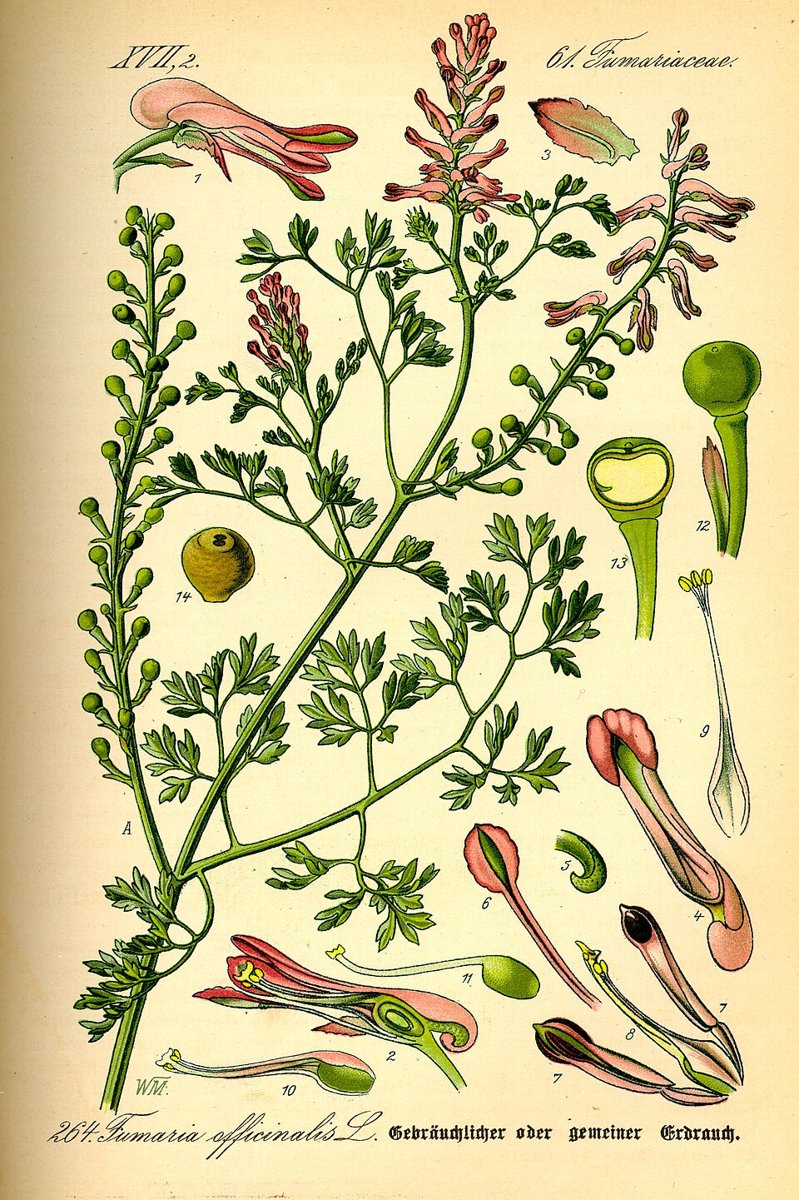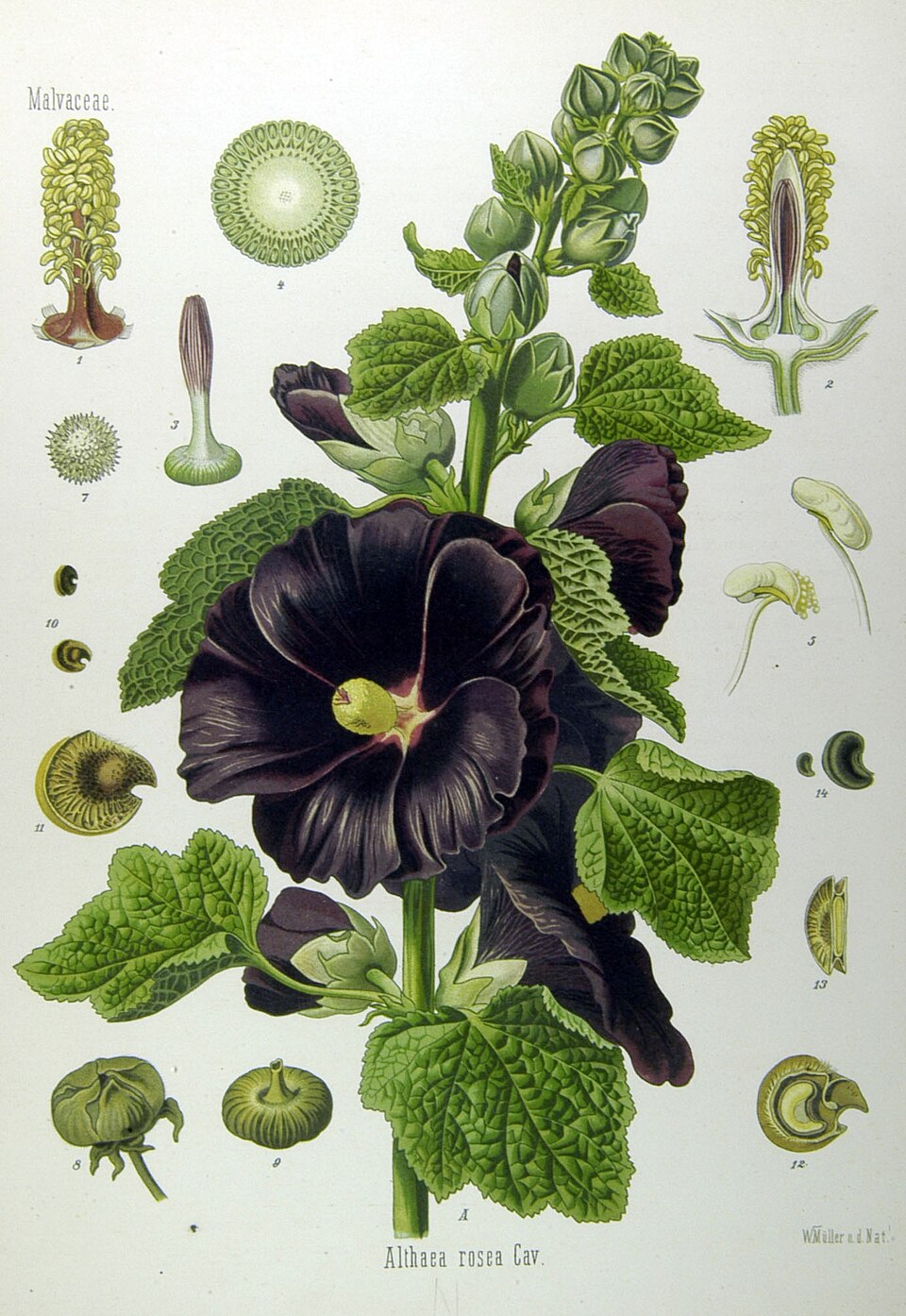
Köhler's Medizinal-Pflanzen (1887), public domain 1 / 5
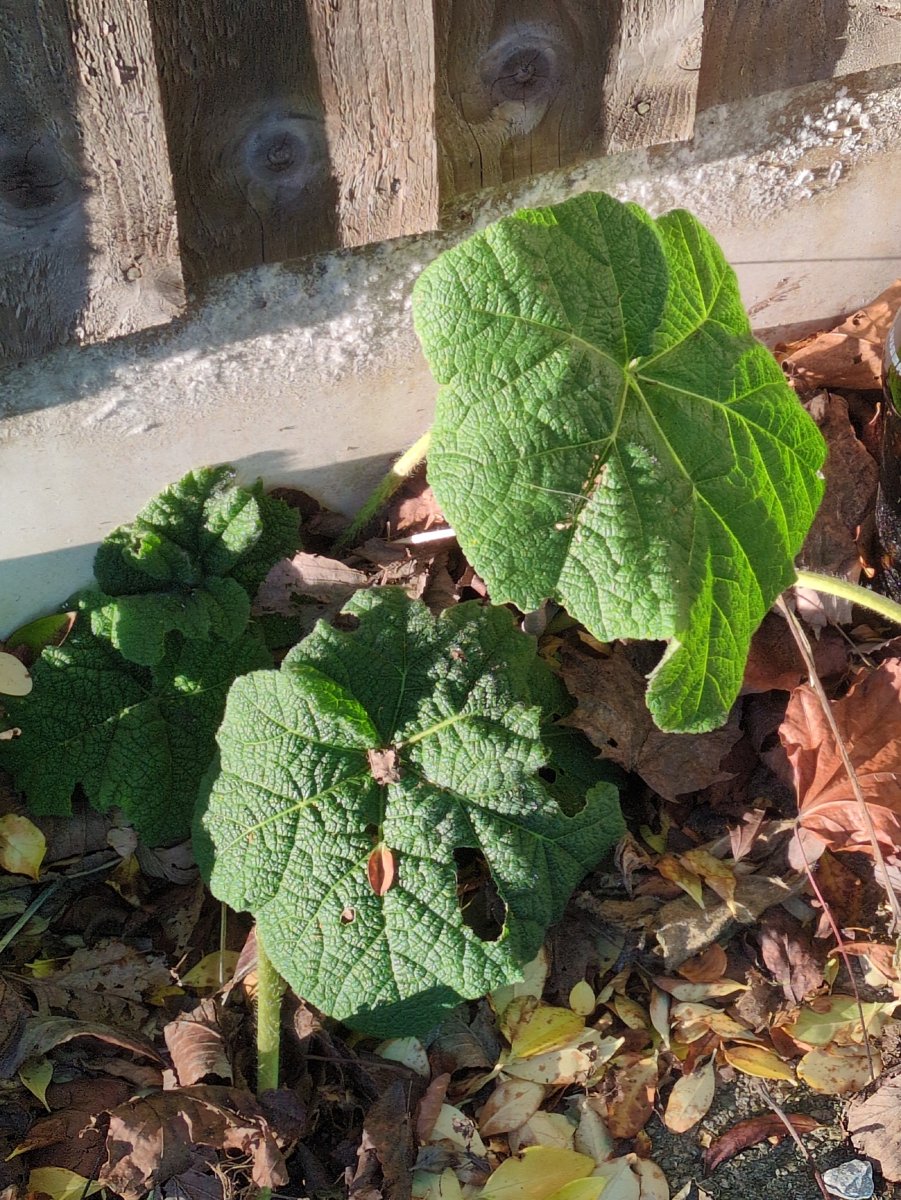
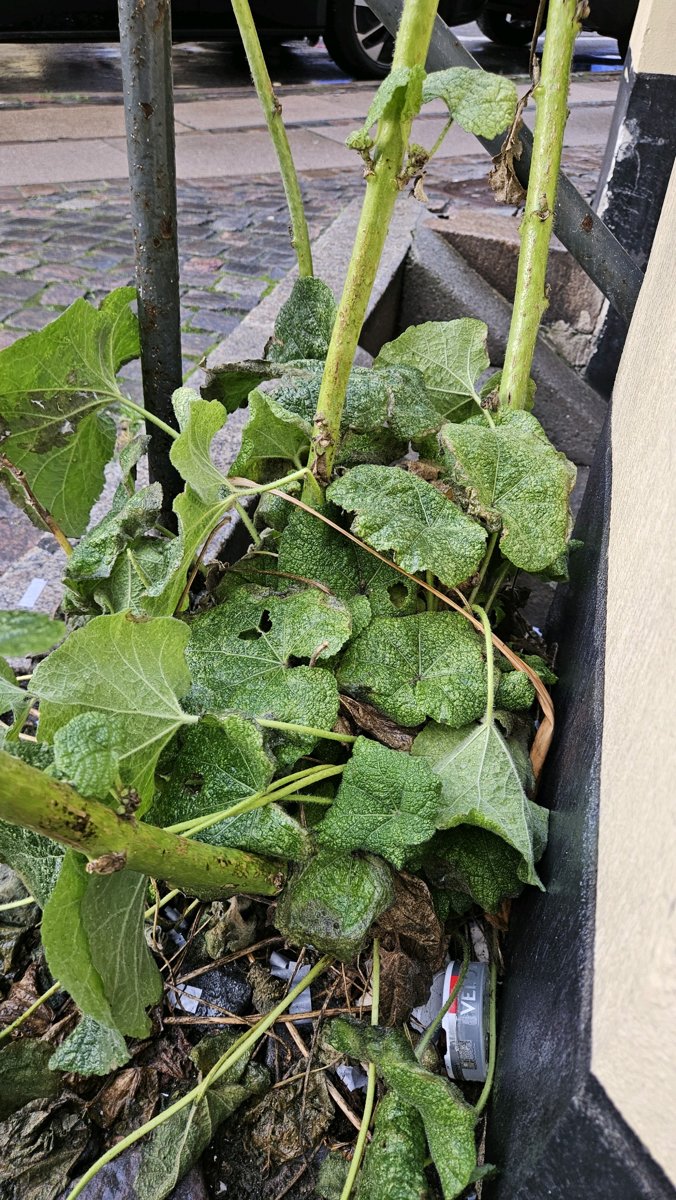
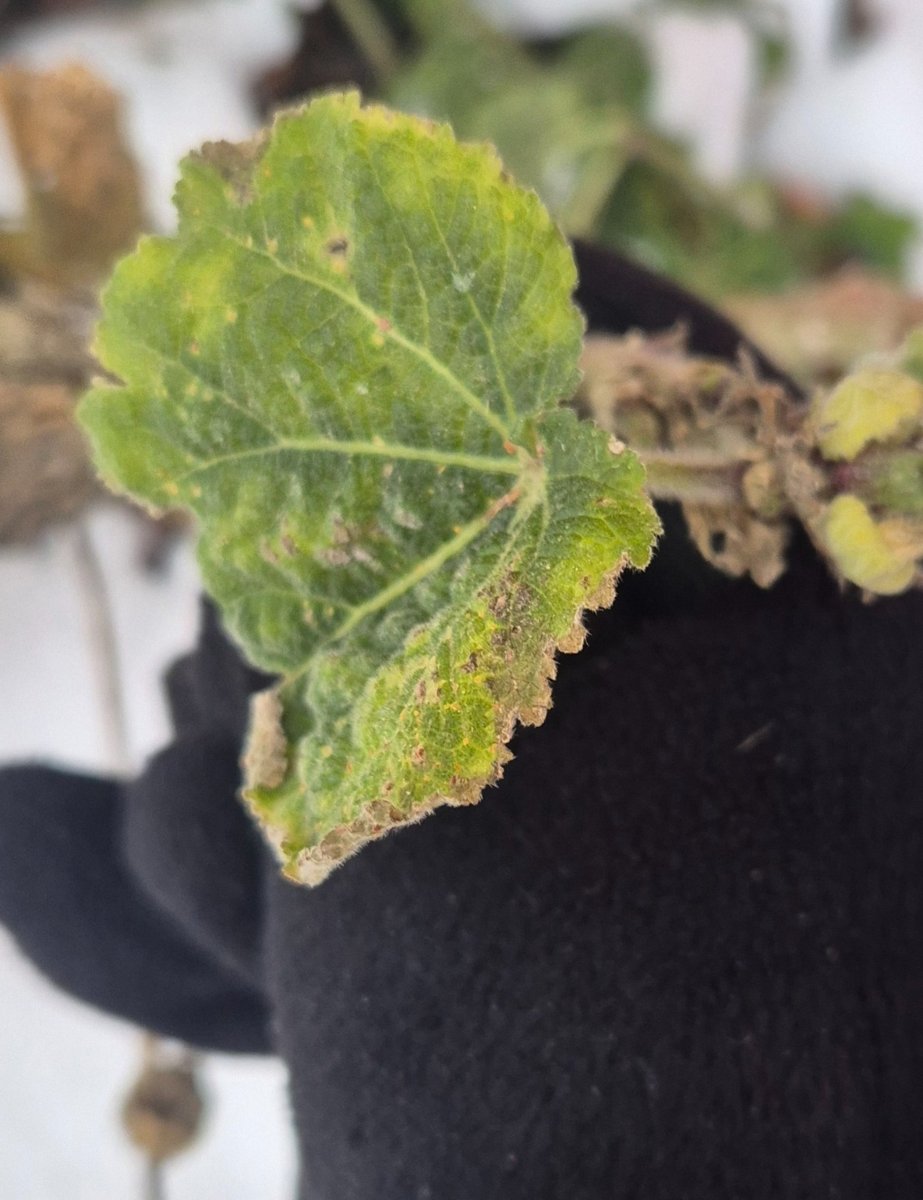
Common Hollyhock
Alcea rosea
Scientific Summary
Common Hollyhock (Alcea rosea) is a flowering herbaceous plant whose leaves, stems, and seeds are edible. It is traditionally used to support liver function, lower blood sugar and cholesterol, and strengthen immunity, and also for digestive comfort, inflammatory conditions, and minor infections. Human data are limited to pre‑clinical studies; no major safety warnings have been reported, but high doses may cause mild gastrointestinal upset, and it should not be used during pregnancy or as a substitute for proven medical treatments without consulting a healthcare professional.
Source: WHO Monographs on Selected Medicinal Plants (Vols 1-3), PMC: Nigella Sativa (Black Seed)